Siaya Cultural Workshops - Second Edition
Objectives
The second Siaya edition was a follow-up to the June school visits, not a new version of the same story. It focused on four schools in Alego Usonga and Siaya Township, using Russian language lessons, hands-on cultural activities, and school-level assessments to deepen existing partnerships.
What Happened
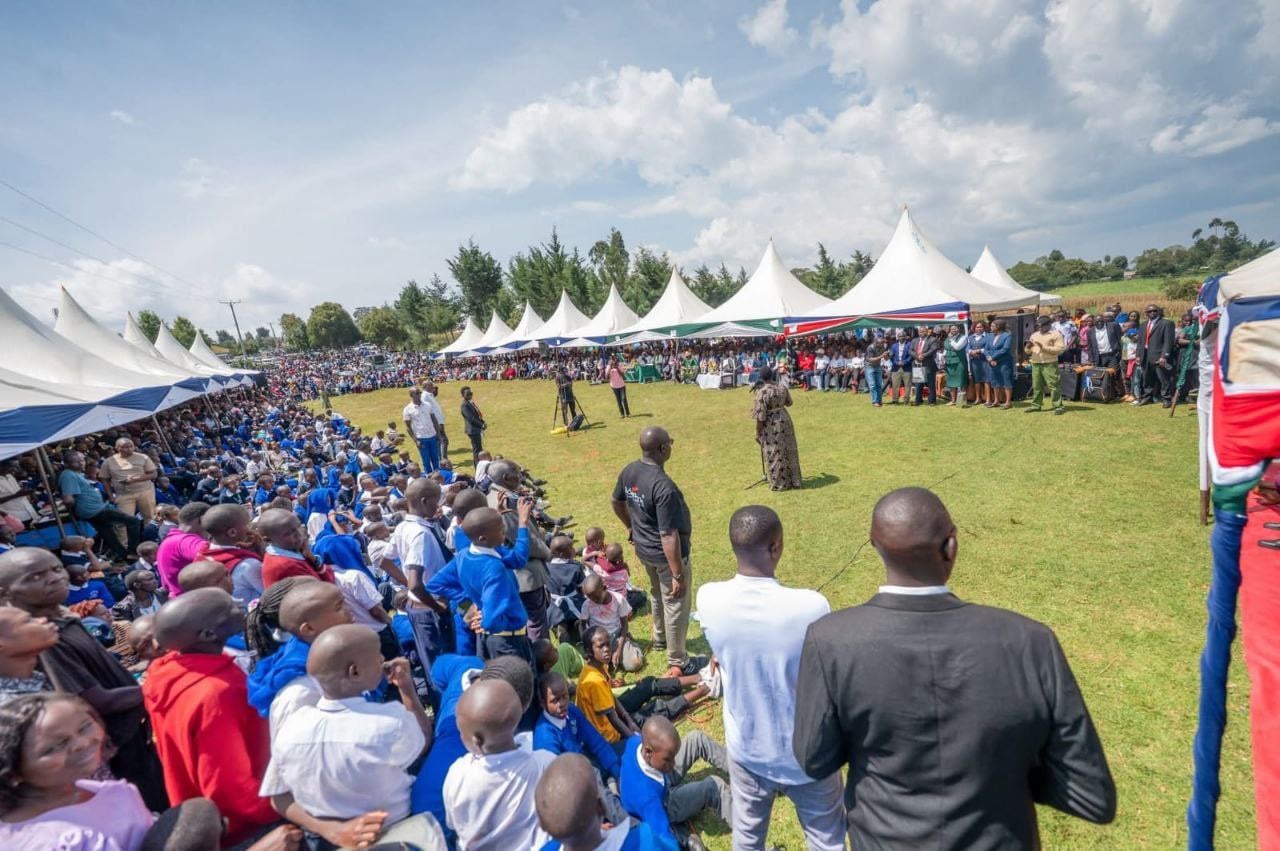
From 30 July to 1 August 2025, Path to Russia reached 147 learners across Segere Secondary School, Obambo Secondary School, Ng'ura Primary School, and Siaya Central Primary School. Partners included County Director of Education Mr. Kabaki, Hon. Samuel Atandi, and the All-Russian Public Organization New Formation.
At Segere Secondary, 37 top students joined a session on the Russian alphabet, culture, and Cyrillic name bracelets. At Obambo Secondary, 50 students explored Russian greetings, traditions, food such as blini, ethnic diversity, and bracelet-making. At Ng'ura, 40 pupils revisited earlier lessons, played the Russian game Rucheek, and shared letters they had written to peers in Russia. At Siaya Central, more than 20 Grade 8 learners joined a cultural lesson during the school's Annual General Meeting.
Key Moments
The second edition showed that earlier engagement had begun to take root. Ng'ura pupils remembered previous visits and brought letters for Russian peers. Siaya Central formally requested deeper cooperation, including an international exchange programme and a permanent Russian-language teacher.
The school assessments also became more specific. Segere needs classroom repairs, furniture and electronics for administration, a library, a computer lab, a dining hall, and repaired boys' toilets. Obambo has only 18 computers for about 800 students, one science lab, classrooms needing repair, and a boarding facility with space for only 100 learners. Ng'ura still needs better ICT and science facilities. Siaya Central remains focused on international exchange, Russian teaching, and the pending school bus project.
Why It Mattered
The second Siaya edition confirmed that repeat visits matter. Students were not encountering Russia for the first time; some were beginning to imagine ongoing contact, clubs, letters, and exchange. That shift from curiosity to continuity is where a one-day workshop becomes a programme.
The report identified shared priorities: safer classrooms, laboratories and sanitation blocks, basic computer rooms, libraries, remote lessons for language clubs, and regular monitoring with school leaders. The lesson from Siaya was clear: small targeted investments in books, mentorship, and cultural clubs can help motivated learners become more globally confident without losing connection to their local schools.