Kwale County Russian Cultural Workshops - June 2025
What Happened
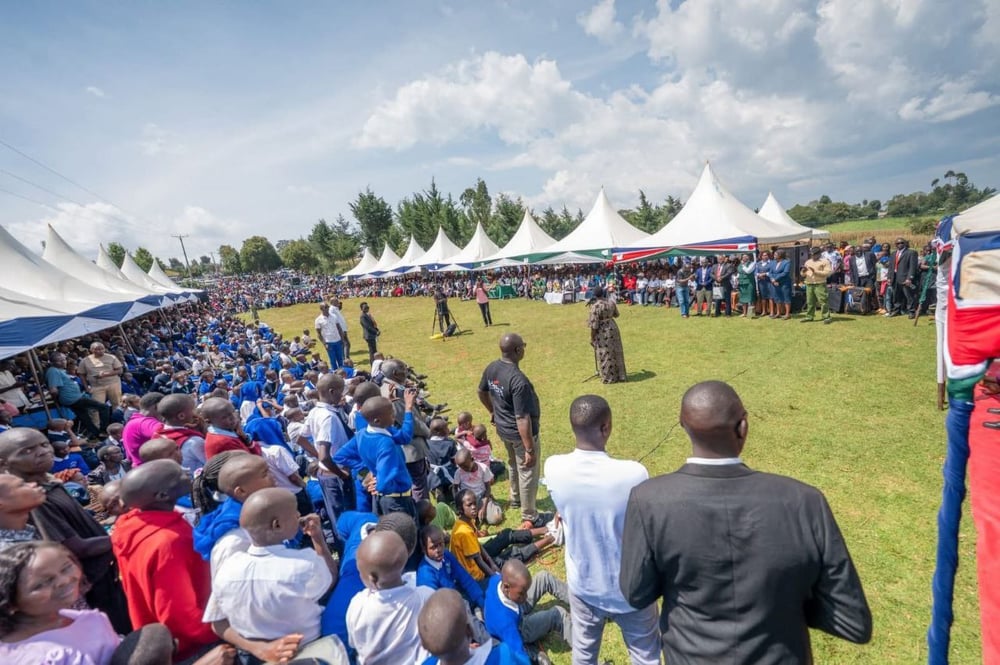
Path to Russia visited Kwale County from 11 to 12 June 2025 for open lessons in Russian language and culture. The team worked with three schools: Mbueka Primary School in Matuga, Kilimangondo Secondary School in Lunga Lunga, and Madago Primary School in Msambweni.
Each visit combined a formal welcome, a tour of classrooms and school facilities, an interactive Russian culture session, and discussion with school leaders about the gaps affecting learning. Students practised the alphabet, compared Russian and Kenyan traditional dress, asked questions about life abroad, and explored the possibility of future Russian cultural days or language clubs.
Key Moments
At Madago Primary, students and teachers showed strong interest in cultural exchange, but the school also reported damaged classroom floors, no feeding programme, no library, no internet, no computers, only one rainwater tank, and 250 pupils without birth certificates. Those missing documents affect access to government support.
At Kilimangondo Secondary, students had never heard about Russia before the visit, yet responded with curiosity and energy. The school provides breakfast and lunch despite limited resources, but it urgently needs at least two more classrooms, a completed science lab, furniture for the administration block, reliable electricity, internet access, repaired water storage, and support for girls affected by early pregnancy.
At Mbueka Primary, younger pupils responded best to creative activities such as drawing and crafts. The school needs 51 desks, safer classroom floors, a science lab, internet and computer equipment, feeding support, and regular access to sanitary pads for girls.
Why It Mattered
The Kwale cultural-workshop visit showed that curiosity about the wider world is already present, even in schools with very limited resources. Students were open to Russian language and global learning, while school leaders were honest about the practical barriers that prevent students from thriving.
The report identified shared priorities across the three schools: digital access, menstrual-health support, repaired classrooms, water tanks, completed labs, birth-certificate registration, and simple feeding programmes. Media attention from local and national outlets helped bring those school needs to a wider audience.
Kwale became a clear example of Path to Russia's cultural-workshop model: use culture to open conversation, then turn that conversation into targeted support for education, dignity, and long-term partnership.